
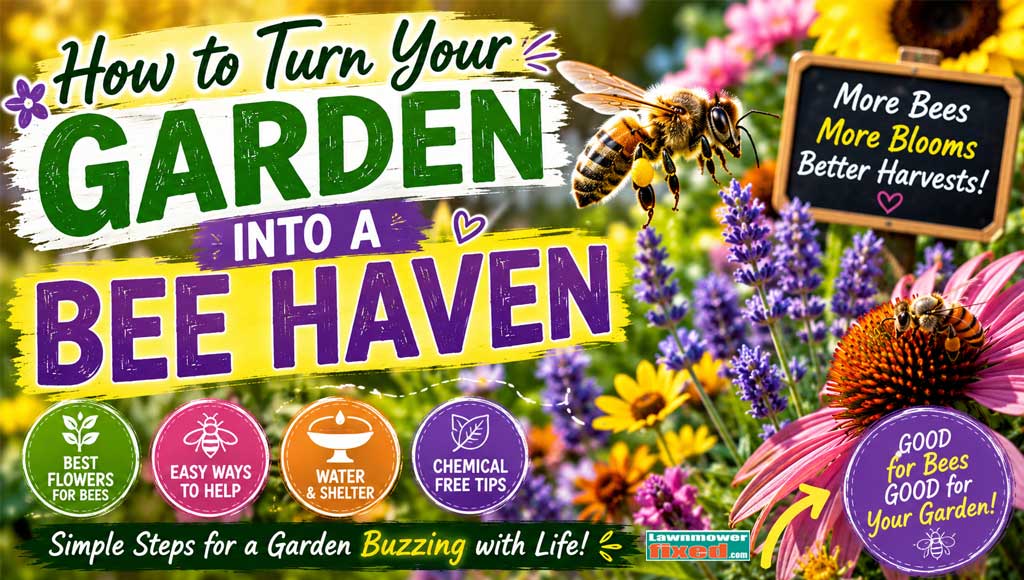
There’s something magical about a garden buzzing with bees.
It’s a sure sign that your garden is healthy, full of life, and doing exactly what nature intended.
Better still, bees aren’t just wonderful to watch—they’re some of the hardest workers in your garden. Every time they visit a flower, they’re helping pollinate your fruit, vegetables, and flowers, often leading to healthier plants and bigger harvests.
The best part?
You don’t need a huge wildflower meadow to help them. Whether you have a sprawling garden, a tiny patio, or just a few pots outside your back door, you can create a welcoming space for bees.
Here’s how.
Why Bees Matter
Around a third of the food we eat depends on pollinators.
Apples, strawberries, tomatoes, cucumbers, pumpkins, beans, blueberries, and countless other crops all benefit from bees moving pollen from flower to flower.
Without them, many plants produce fewer fruits, smaller crops, or none at all.
Creating a bee-friendly garden isn’t just helping wildlife—it’s helping your own garden flourish too.
Plant Flowers They Love
Bees are attracted to flowers rich in nectar and pollen.
The more variety you plant, the more visitors you’ll attract throughout the growing season.
Some favourites include:
- Lavender
- Foxgloves
- Cosmos
- Calendula
- Coneflowers
- Borage
- Sunflowers
- Salvia
- Catmint
- Crocus
- Snowdrops
Aim to have something flowering from early spring right through until autumn.
That way, bees always have a reliable food source.
Let Your Herbs Flower
Many gardeners pinch off herb flowers as soon as they appear.
Instead, leave a few plants to bloom.
Bees absolutely adore flowering:
- Chives
- Oregano
- Thyme
- Mint
- Basil
- Rosemary
- Sage
You can still harvest plenty while giving pollinators a valuable food source.
It’s a win-win.
Grow Flowers in Groups
A single flower is like one shop in an empty street.
A whole bed of flowers is a bustling shopping centre.
Planting several of the same flowers together makes it much easier for bees to find them and gather nectar efficiently.
Large drifts of colour are far more attractive than isolated plants dotted around the garden.
Avoid Pesticides Where Possible
Many insecticides don’t just kill pests.
They can also harm bees and other beneficial insects.
Before reaching for a spray, try simpler solutions first:
- Pick pests off by hand.
- Wash aphids away with a jet of water.
- Encourage ladybirds and hoverflies.
- Remove badly affected leaves.
A balanced garden usually keeps itself under control.
Provide Fresh Water
Bees get thirsty too.
A shallow dish filled with water and a few small stones gives them somewhere safe to land while they drink.
Refresh the water every few days, especially during hot weather.
It’s one of the simplest ways to help your local pollinators.
Leave a Few Wild Corners
Your garden doesn’t have to be perfectly tidy.
In fact, bees often prefer it when it isn’t.
Leave a small patch where grass grows longer or wildflowers can seed naturally.
Allow a few dandelions or clover flowers to bloom before mowing.
Nature loves a little mess.
Choose Single Flowers
Some modern flowers have been bred with lots of extra petals.
They may look beautiful, but many produce very little nectar and can even make it difficult for bees to reach the pollen.
Single-petalled flowers are usually a much better choice.
They’re easier to access and provide far more food.
Plant for Every Season
Bees need food for much longer than many people realise.
Try to include plants that flower across the seasons.
Spring
- Crocus
- Snowdrops
- Lungwort
Summer
- Lavender
- Cosmos
- Borage
- Sunflowers
- Salvia
Autumn
- Sedum
- Michaelmas daisy
- Ivy flowers
A steady supply of blooms keeps bees coming back year after year.
Welcome Other Pollinators Too
A bee-friendly garden soon becomes a wildlife-friendly garden.
You’ll often notice:
- Butterflies
- Hoverflies
- Ladybirds
- Dragonflies
- Birds
- Hedgehogs
Each one plays a role in creating a healthier, more balanced ecosystem.
Small Gardens Can Make a Big Difference
Don’t think you need acres of land.
Even a balcony with a few flowering pots can provide an important feeding stop for tired bees travelling between larger gardens.
A pot of lavender.
A tub of thyme.
A hanging basket filled with flowers.
It all helps.
Easy Bee-Friendly Plants for Beginners
If you’re just starting out, these are some of the easiest plants to grow:
- Lavender
- Chives
- Oregano
- Thyme
- Borage
- Calendula
- Sunflowers
- Catmint
They’re low maintenance, beautiful to look at, and buzzing with visitors throughout the summer.
Five-Minute Bee Garden Checklist
Before you head back inside, ask yourself:
✔ Do I have flowers blooming this month?
✔ Is there fresh water available?
✔ Have I left some herbs to flower?
✔ Am I avoiding unnecessary pesticides?
✔ Is there somewhere bees can feed from spring until autumn?
If you answered “yes” to most of those, you’re already creating a wonderful haven for pollinators.
Final Thoughts
One of the greatest pleasures in gardening isn’t just watching plants grow—it’s seeing the wildlife they attract.
A garden alive with buzzing bees, fluttering butterflies, and singing birds feels healthier, more peaceful, and more connected to nature.
The wonderful thing is that helping bees doesn’t require expensive equipment or hours of work. A few carefully chosen flowers, a small dish of water, and a willingness to let nature do its thing can make an incredible difference.
Plant a little more for the bees this year, and they’ll repay you many times over with a healthier, more productive garden.
See you in the garden,
—Tara 🌿
- About the Author
- Latest Posts


Tara Cunningham is the green-thumbed half of Lawnmowerfixed.com, where she shares simple, no-fuss gardening tips for time-poor homeowners.
She’s a lifelong plant lover with a soft spot for cherry tomatoes, shady corners, and low-maintenance herbs.